The best art leaves you the most uncomfortable. Do you know that feeling when you’re left speechless, static, and utterly flabbergasted after watching a movie or reading a book? I’ve found that the only pieces of work that can leave me in that state have the most awkward endings. In my eyes, a piece of work shifts from entertainment to art when it makes the audience feel at least four different emotions when it’s over.
The reason for this, however, isn’t because of the story itself but because they end openly. What’s the difference in the endings between Singin’ in the Rain and La La Land?
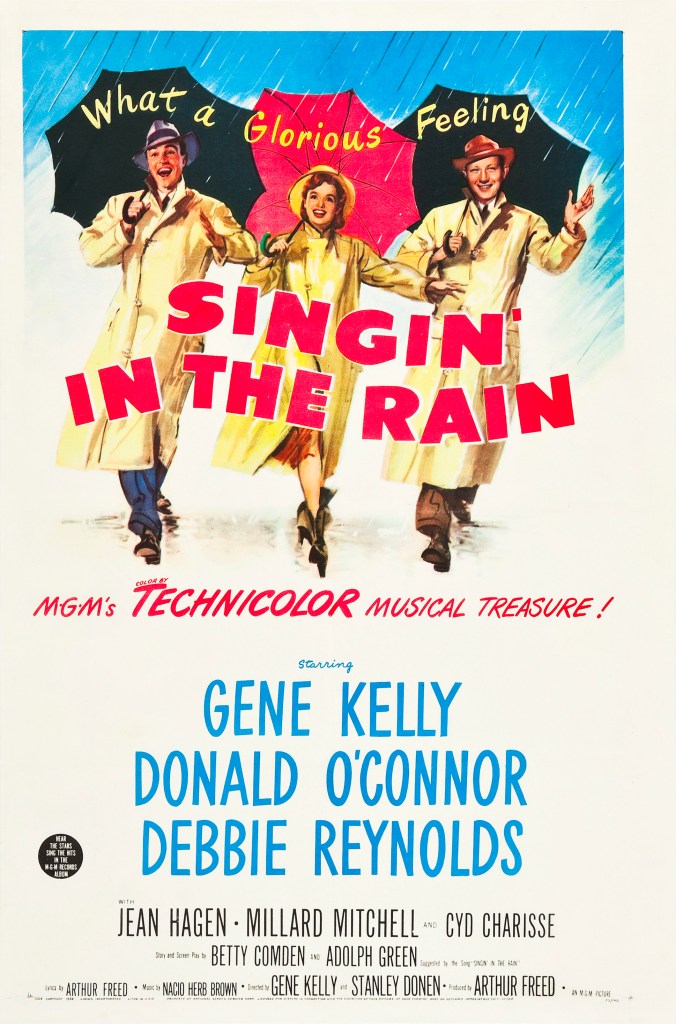
Singin’ in the Rain ties up in a bow, leaving the audience complete. The conflict is resolved, and love flourished.
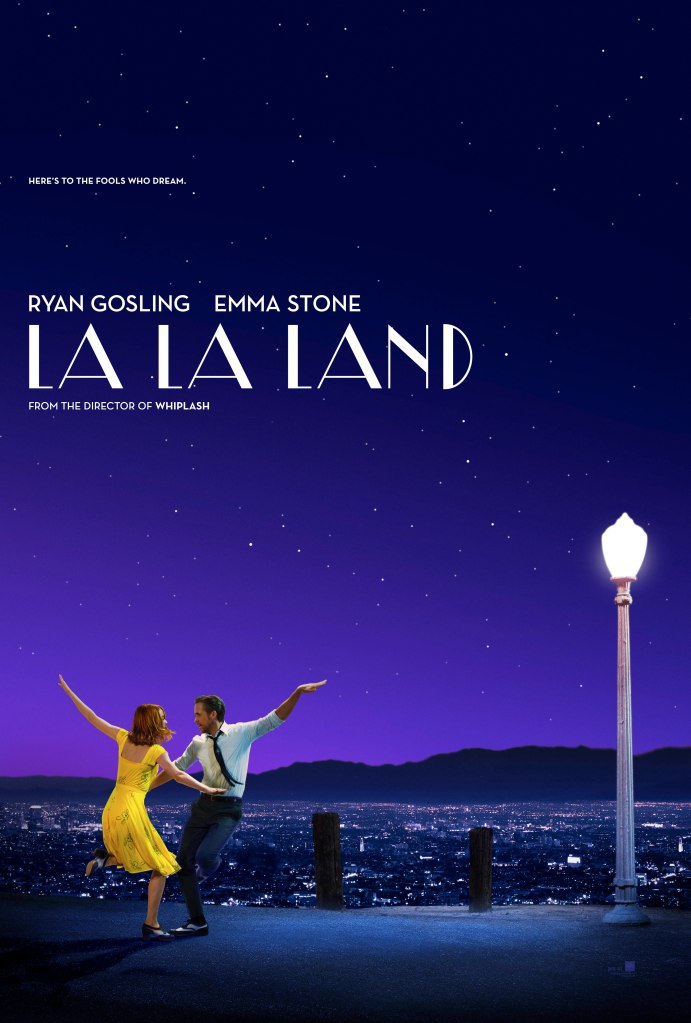
La La Land is a love story that isn’t a fairytale. They don’t end up together in the end, something most viewers can relate to at some point in their lives. The average audience member leaves this film empty, longing for resolution, angry that it’s realistic, but then content with the truth.
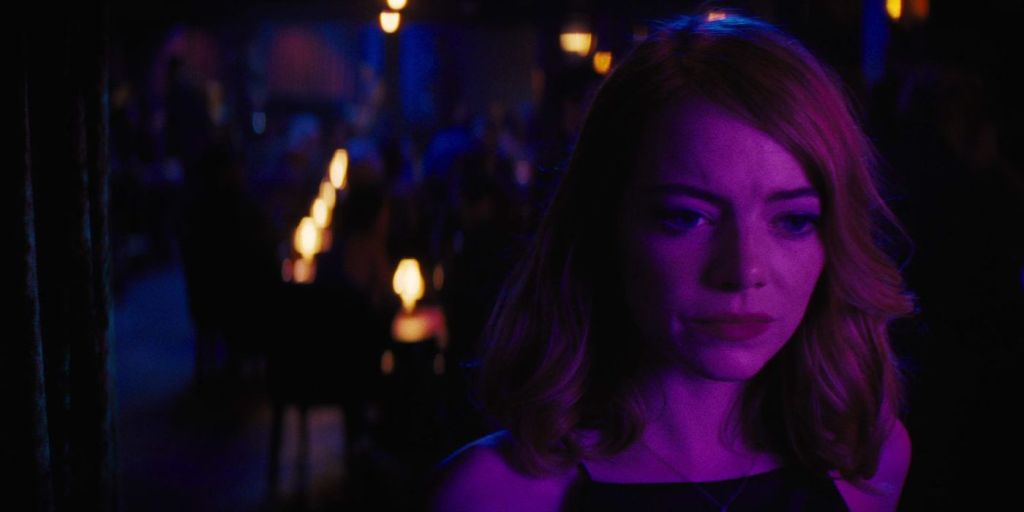
The uncomfortableness of the latter’s ending makes someone ponder, which, to me, is the purpose of art.
I hate traditional conclusions. A summary of things I’ve already learned is the opposite of a strong finish. My favorite endings are open. Some of my favorite methods of open endings include:
- Leaving the subject matter up for interpretation
- Just finishing your thought—no summaries
- this leaves room for the reader’s own thoughts
- Strong examples or hypotheticals to bring the matter home
- Leaving the reader with a question
These may be controversial writing takes, but think about the last time you were left in wondrous thought after reading a summary of the thing you just read. Exactly–never.
The best endings don’t conclude; they echo. They linger in your mind, requiring you to make your own sense of them.
Maybe that’s why we spent years debating the last shot of Inception or are constantly rewriting our favorite story endings in our heads. An ending is the catalyst for endless thoughts.
The best ending is just the beginning.
 Eyes Wide Open
Leave a comment